
Getting started with willow weaving: Why working with high-quality dry willow matters
1 October 2026
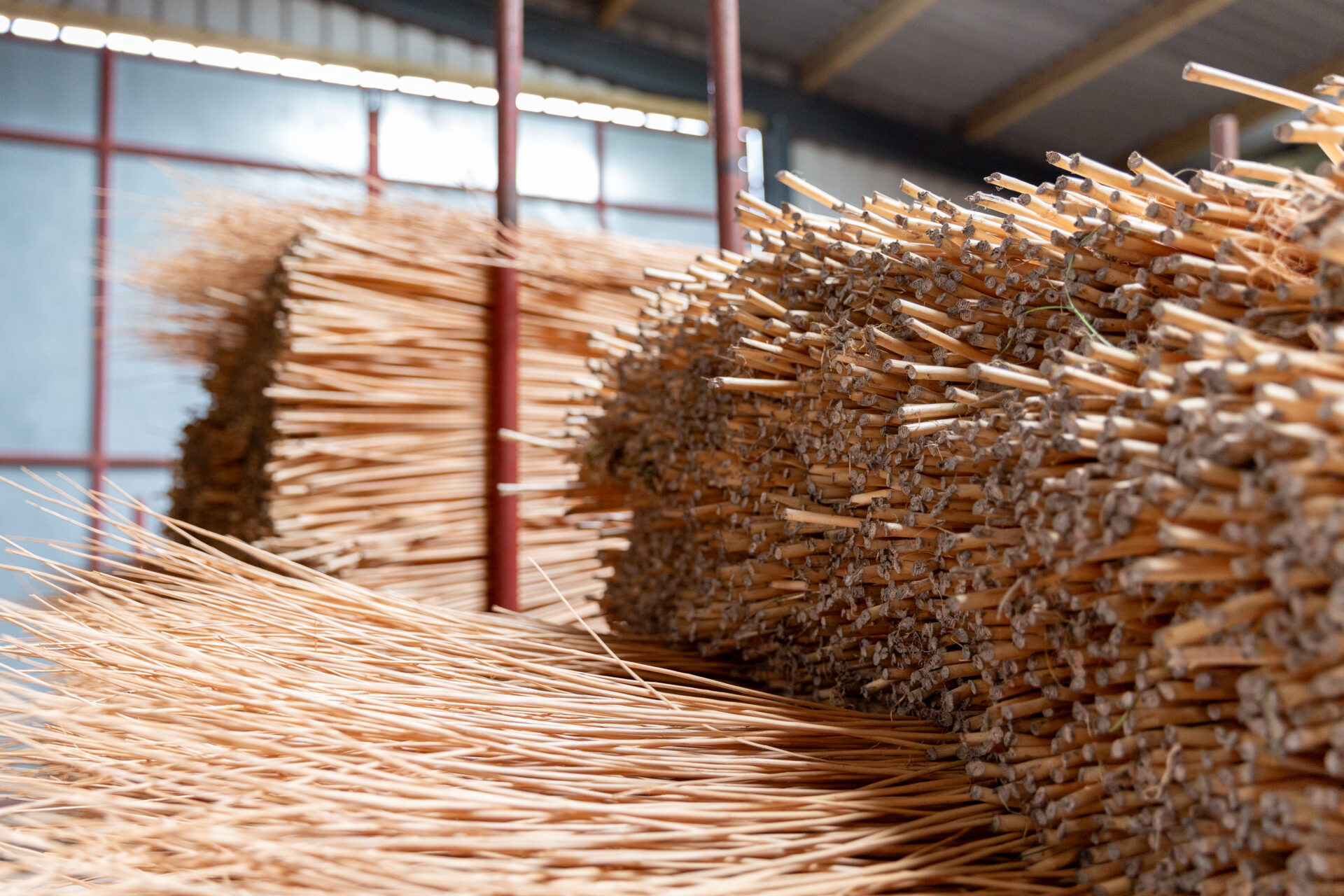
At Musgrove Willows, we’re passionate about encouraging people to take up willow weaving, a rewarding, hands-on natural craft which has been practiced for centuries. There are many different avenues into the craft, including willow weaving courses held on our Somerset farm, our willow tool kit which contains all the tools you need to get started with simple weaving projects, and easy-to-follow video tutorials on our YouTube channel – to name a few.
Dry willow varieties – such as dried brown willow and buff willow – are popular materials for new weavers. When soaked and mellowed correctly, dry willow becomes flexible and very enjoyable to work with, particularly for basketry and sculpture work.
As your skills as a weaver develop, you’ll quickly notice that the quality of the willow you work with has a huge impact on your weaving projects.
Why to invest in good-quality dry willow
1. Selectively bred and hand-graded
When choosing which type of willow you need for a project, there are also factors like the length, thickness, and taper of the rods to consider.
Once you’ve got a few successful weaves under your belt and your understanding of the craft develops, you’ll become more selective about the willow you use for different parts of a weave. When weaving a basket, for example, different thicknesses are needed to ensure strength (medium/thin rods for weavers, thick rods for uprights and base sticks).
Every willow variety we grow has been chosen for its unique properties and quality. We carefully sort and grade our willow by hand, so you can choose the exact type best suited to the project you’re working on. Our willow is hand-graded according to height, ready to be further sorted into the different thicknesses needed for weaving.
2. Achieve consistent, neat weaves
Beginners often choose dried brown or buff willow because, when correctly prepared, it becomes flexible and enjoyable to work with. This pliability can help new weavers develop their skills and, with practise and good technique, create consistent, neat weaves:
- Dry willow has already gone through its main natural shrinkage during drying.
- Once you have soaked and mellowed it for the correct length of time, it will become flexible enough to weave.
- The stability of properly prepared dry willow can help weavers develop the skills to achieve tight, neat weaves that keep their intended shape – a satisfying achievement when working on early weaving projects.
3. Less wasted willow
Investing in good-quality, properly sorted willow can also reduce the amount of willow wasted in a project. Willow can break during weaving for many reasons, including not being soaked for long enough, not being stored in the right conditions, or if it’s simply worked too hard.
Another cost-effective, waste reducing aspect of dried brown and buff willow is how easy they are to store. The rods can be kept in a dry environment out of sunlight and away from any woodworm for a considerable amount of time. This means you can use a little or a lot of the willow at one time and keep the rest stored until later.
The main cause of broken, wasted willow is lack of mellowing; your willow needs to mellow for the right amount of time after soaking to achieve optimum weaving conditions.
High-quality willow is much better for mellowing, whereas damaged or inferior willow can rot, crack, or dry out unevenly during the process:
- Consistent moisture absorption: Quality willow rods absorb water evenly during mellowing, which allows moisture to travel from the outer bark to the core of the rod.
- More flexible: By absorbing moisture evenly, high-quality rods become supple and flexible to work with – making them far less likely to snap or kink during weaving.
- Less waste: Damaged or low-quality willow is liable to have weak spots that cause it to dry out too quickly and become brittle during mellowing, or turn mouldy and slimy before it becomes soft enough to work with.
4. Develop your skills
Good willow can only take you so far; there really is no substitute for smooth, accomplished technique. However, using premium willow – such as the varieties we grow here – makes for a much better experience, and allows you to focus on developing your skills.
Properly prepared high-quality willow should be easier and more consistent to work with, while you become more familiar with weaving technique essentials like tension, spacing, and shaping.
Musgrove Willows grow high-quality willow for every skill level
From first-time weavers to professional craftspeople, Musgrove Willows have been supplying traditionally-grown willow to weavers for four generations. We love sharing our expertise and explaining the different characteristics of the willow we grow; if you’ve got a project in mind, we can help you choose the willow best suited.
For advice on willow selection, weaving courses, or any of our other willow products and tools, please just get in touch with the Musgrove team.


